


Today, you can walk into cafés in cities like London, New York City, or Sydney and easily spot a “Chai Latte” on the menu.
Creamy, sweet, and comforting, chai has become one of the world’s favourite café drinks.
But masala chai is much more than a trendy beverage.
Its story began thousands of years ago in India, where it was originally created as a healing herbal drink.
So how did this traditional Indian beverage become a global sensation?
Let’s explore the fascinating history of masala chai.
The Ancient Origins of Masala Chai
The history of masala chai dates back more than 5,000 years.
Interestingly, the original version of chai did not include tea leaves or milk.
Instead, it was a herbal Ayurvedic drink made with spices and hot water.
Masala Chai in Ayurveda
In ancient India, chai was used as part of Ayurveda, the traditional Indian system of natural healing.
Why It Was Created
According to folklore, a royal king created this spiced drink as a healing tonic for his court.
The drink was believed to:
- Improve digestion
- Boost immunity
- Increase energy naturally
- Warm the body
The Original Ingredients
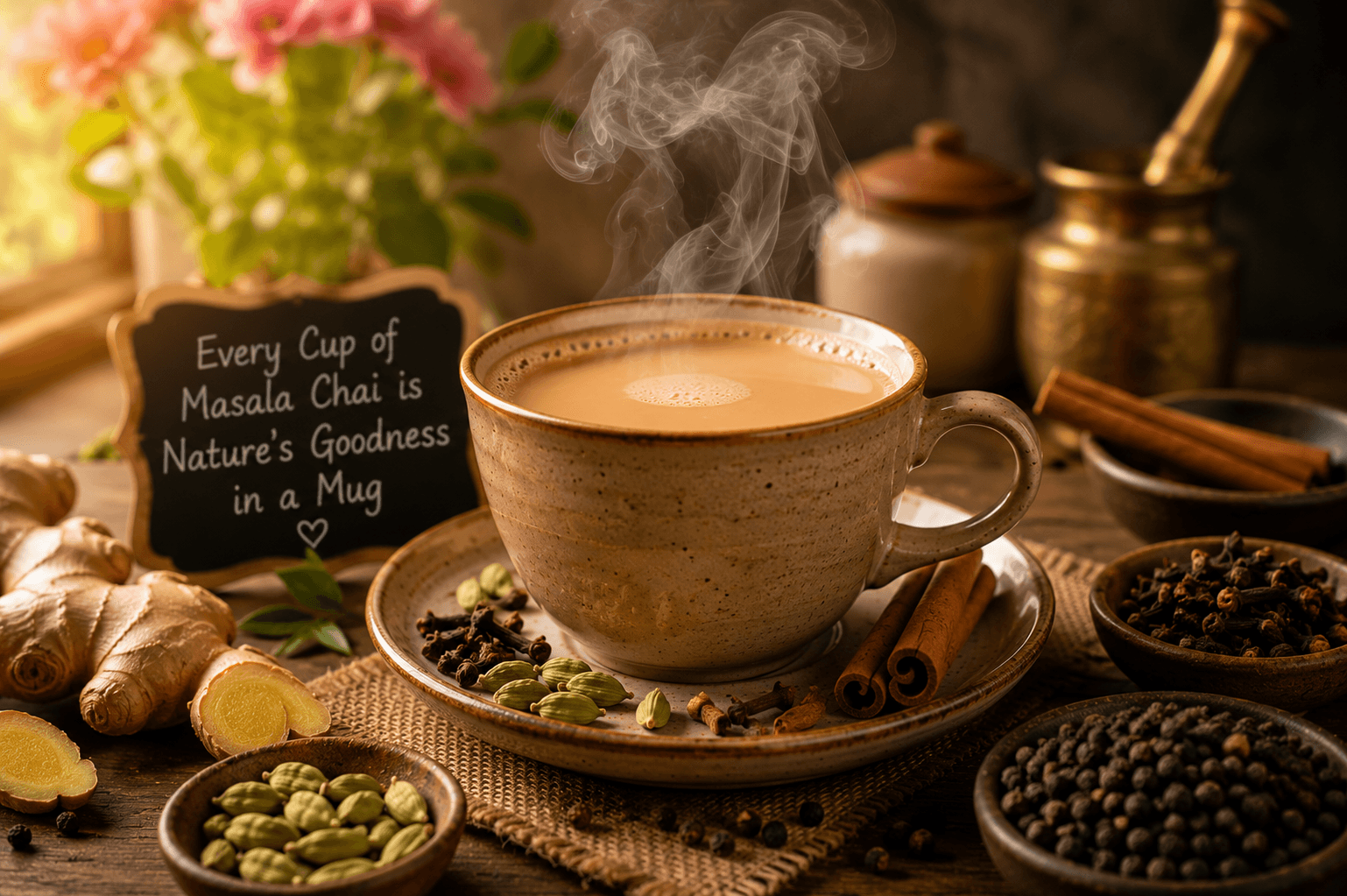
Early versions of masala chai included powerful spices such as:
- Ginger
- Black pepper
- Cardamom
- Cloves
These spices were boiled in water to create a medicinal herbal drink focused entirely on wellness.
The British Empire and the Birth of Modern Masala Chai
The masala chai we know today — made with tea leaves, milk, sugar, and spices — was shaped during British colonial rule in India.
How Tea Entered India’s Daily Life
In the 19th century, the British Empire wanted to compete with China’s tea trade.
They discovered tea plants growing naturally in Assam and began building massive tea plantations across India.
At first, tea was mainly exported overseas and was too expensive for most Indians.
But in the early 20th century, the Indian Tea Association encouraged tea drinking among local workers by introducing tea breaks in factories and offices.
How Indian Chaiwalas Changed Everything
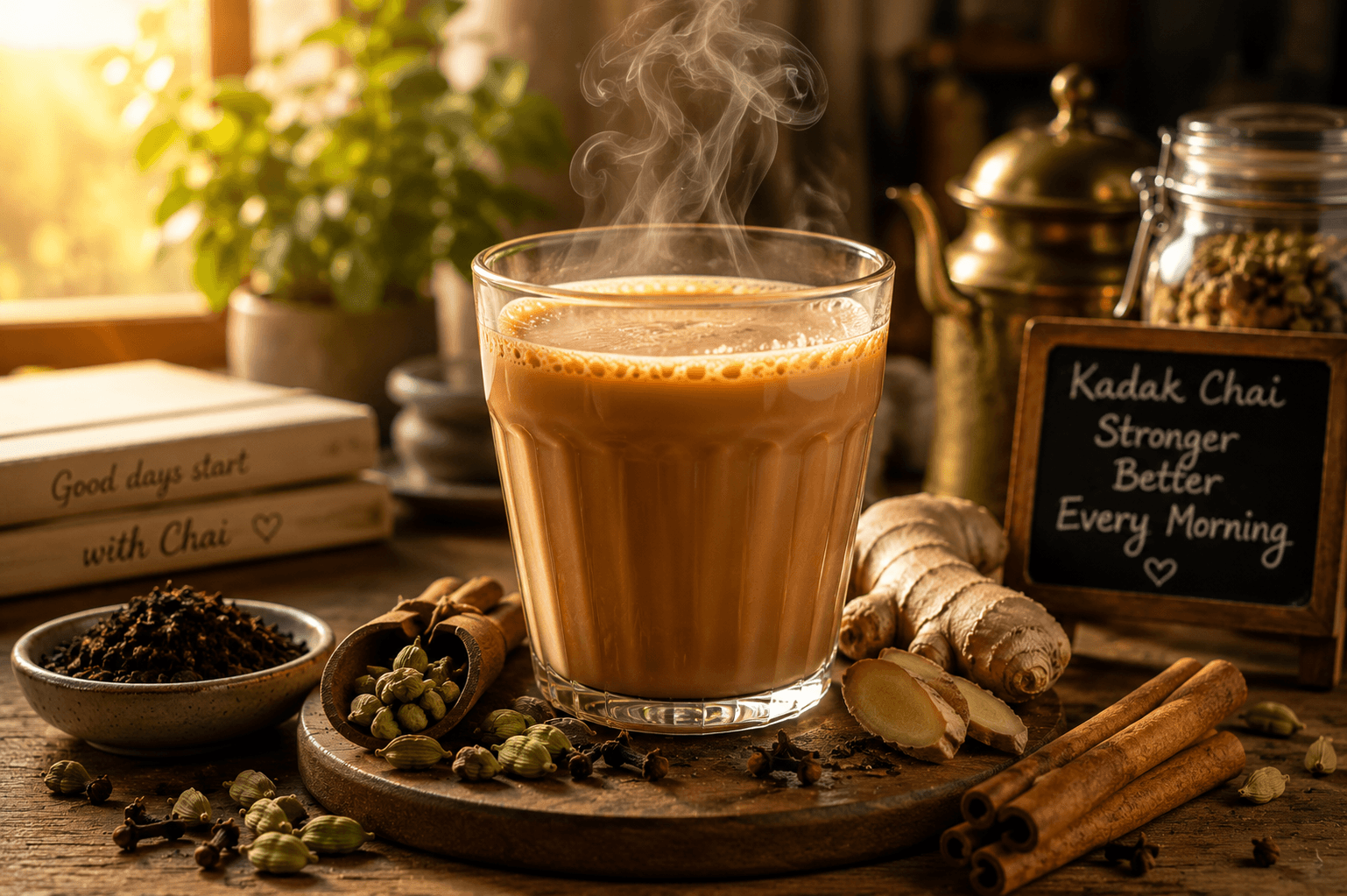
Indian street tea vendors, known as chaiwalas, completely transformed tea culture.
Since tea leaves were expensive, chai sellers started adding:
- More milk
- Sugar
- Local spices
This helped create a richer flavour while using fewer tea leaves.
And that is how modern masala chai was born.
The name itself translates to:
- Masala = spices
- Chai = tea
The drink quickly became affordable, comforting, and deeply popular across India.
Masala Chai: India’s Everyday Ritual
Today, masala chai is an important part of everyday life in India.
From railway stations to office breaks, chai is everywhere.
The familiar street call of:
“Chai, Chai, Garam Chai!”
is a sound deeply connected to Indian culture.
The Famous Kulhad Chai Experience
Many chaiwalas serve tea in small clay cups called kulhads, which add a unique earthy flavour to the drink.
Drinking chai is more than simply having tea — it is a social ritual that brings people together.
Friends, families, office workers, and strangers all bond over a shared cup of chai.
How Masala Chai Became Popular Worldwide
In the late 20th century, travellers visiting India fell in love with masala chai and brought the experience back home.
Soon, international cafés and coffee chains began creating their own versions of the drink.
The Rise of the “Chai Latte”
To suit Western tastes, cafés made chai:
- Sweeter
- Creamier
- Milkier
The drink was rebranded as the famous “Chai Latte.”
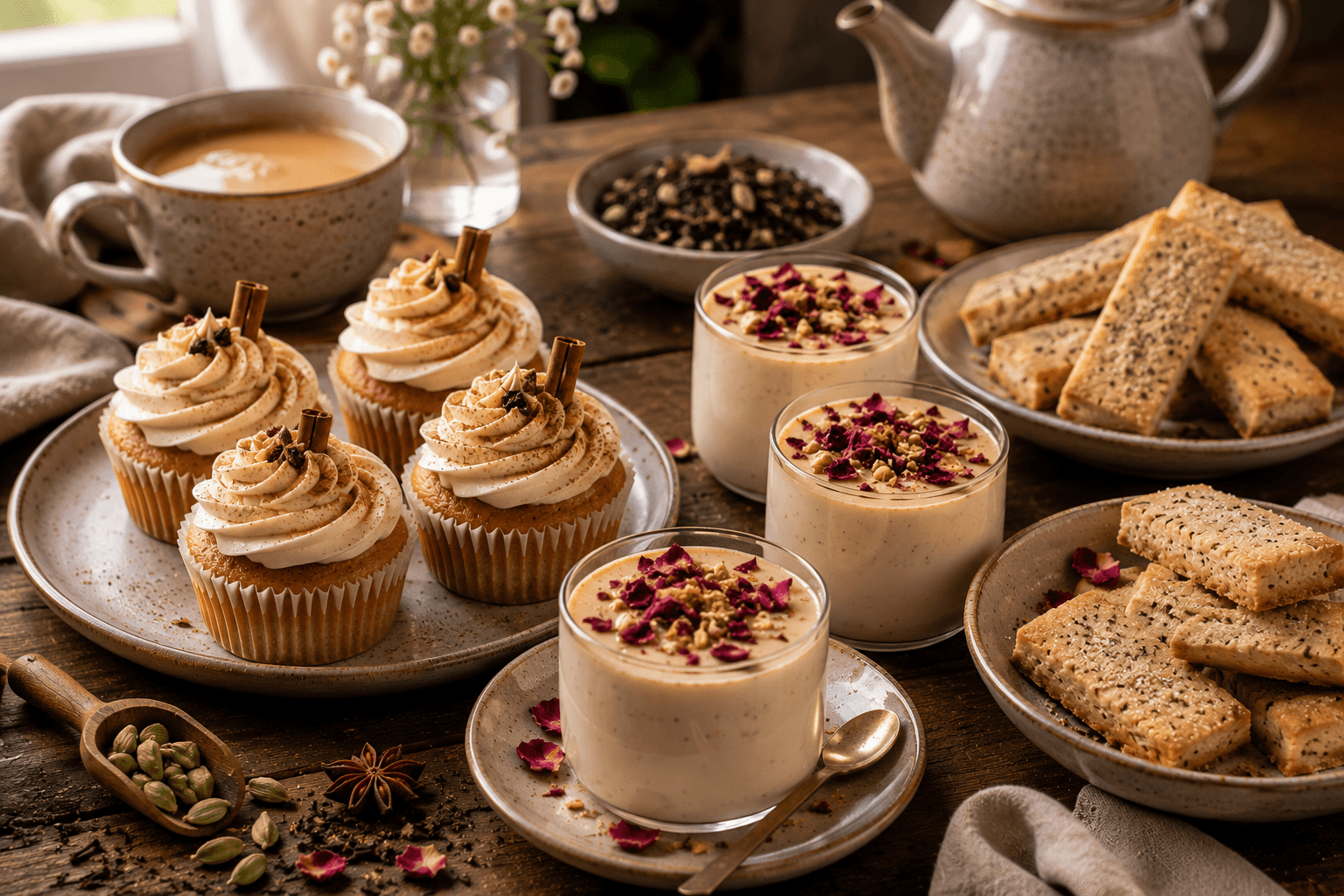
Today, chai-inspired flavours are found in:
- Ice creams
- Cakes
- Cookies
- Protein powders
- Cold beverages
Even though many modern versions use syrups or powders, they all trace back to the traditional spice blends of India.
Why the World Loves Masala Chai
Masala chai has become a global phenomenon because it offers something special:
- Comfort
- Warmth
- Rich flavour
- Cultural tradition
- Natural spices
It is not just a drink — it is an experience.
Whether enjoyed from a roadside chai stall in India or a modern café overseas, masala chai continues to connect people through its bold flavours and comforting aroma.